
I’m Just Not Good With Money
I hear this sentence all the time. Shrugged off, sometimes said with a bit of resignation, often with conviction that this is just what it is.
So let me ask you something simple.
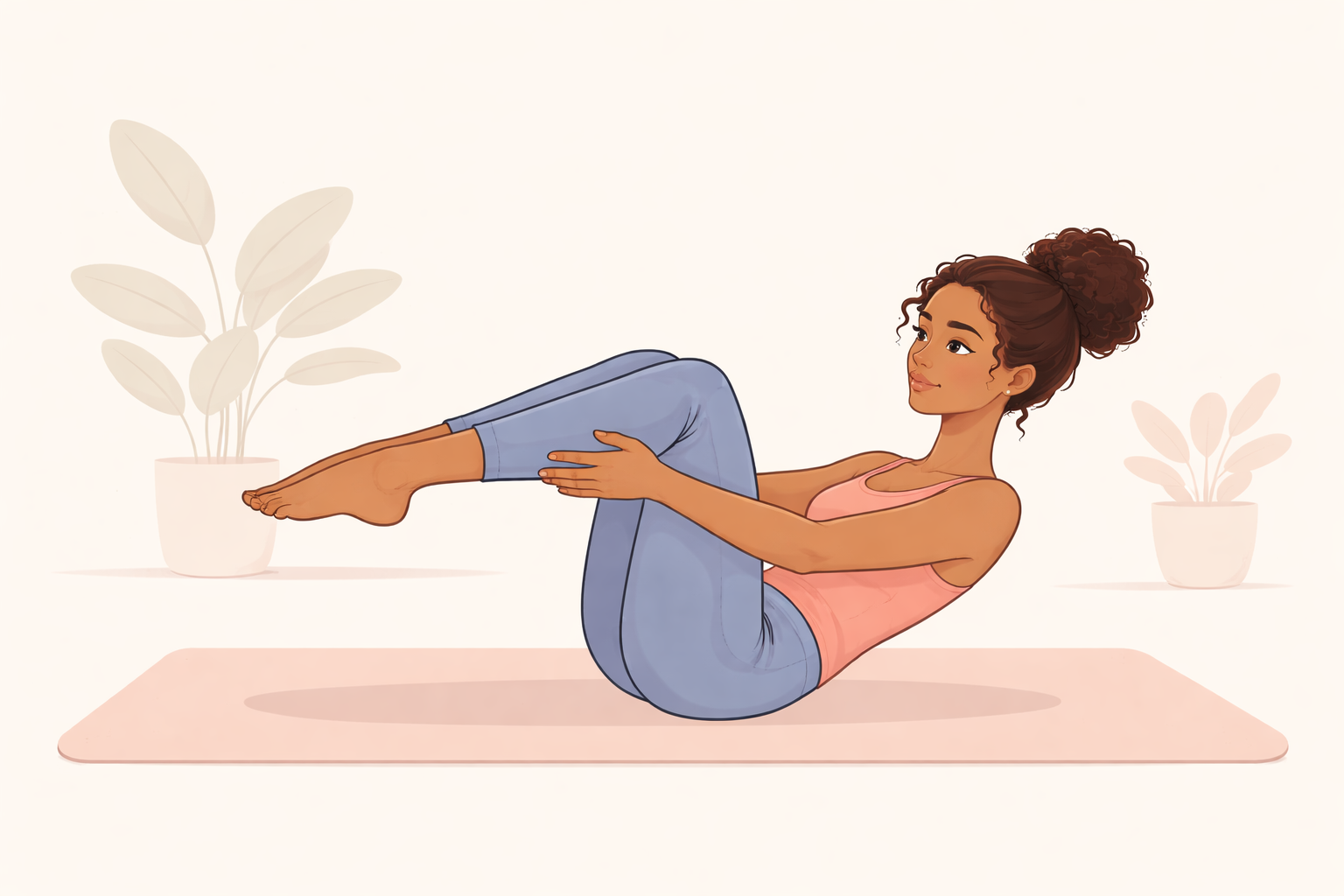
Were you good at Pilates before your first class?
Most likely not. You didn’t walk into the studio with perfect form, core strength and coordination. You probably felt awkward. Maybe weak. Maybe confused about what your body was supposed to be doing. And yet, none of that meant Pilates “wasn’t for you.”
It just meant you were new.
Money works the same way.
Money Is Not a Talent. It’s a Skill.
Somehow, we’ve decided that money is a personality trait. That you either “have it” or you don’t. That some people are naturally good with finances and others should stay far away from spreadsheets, investments or markets.
That belief is deeply misleading.
Money is not intuition. It is not math genius. It is not greed or ambition. Money is a system, and systems can be learned.
You were not born knowing how banks work, what inflation does, how investing compounds over time or why doing nothing with your money is also a decision. No one is. And yet, we judge ourselves harshly for not mastering something we were never properly taught.
If you were never shown how to use a tool, failing to use it well is not a personal flaw. Another example: Nobody knew ChatGPT existed three years ago and now here we are. It has become a part of every-day life. Because we learned how to use it.
Why Money Feels So Intimidating
Money carries emotional weight. Much more than Pilates ever will.
Money touches safety, independence, self-worth and freedom. Mistakes feel dangerous - I know, because I made them. And they involve real, hard-earned money. Questions feel embarrassing. Many women grow up absorbing the idea that money is stressful, risky or better left to someone else.
So instead of approaching it with curiosity, we avoid it. We tell ourselves stories to justify the avoidance. “I’m bad with numbers.” “I don’t have enough to start anyway.” “I’ll deal with it later, yolo.”
But avoidance doesn’t protect you. It quietly keeps you dependent on systems you don’t understand.
And the longer you stay away, the scarier it feels to start.
Practice Changes Everything
Think back to that first Pilates class. What actually made the difference?
Not talent.
Not motivation.
Practice.
Showing up again. Understanding your body a little better each time. Feeling stronger not overnight, but gradually. Subtly. Until one day you realize something has shifted.
Money works the same way.
At first, concepts feel abstract. Markets seem chaotic. Investing feels like gambling. But over time, patterns emerge. You start to understand incentives. You see how time works in your favor. You gain context instead of reacting emotionally to headlines or price movements. Routine does its magic.
Confidence doesn’t come before competence. It comes from it.
You Don’t Need to Become Someone Else
Learning money does not require you to become aggressive, obsessed or hyper-rational. You don’t need to trade all day, read financial news nonstop or turn investing into your personality.
You just need a foundation.
Understanding how money works allows you to make calm, informed decisions. It reduces anxiety. It replaces vague fear with clarity. And clarity is incredibly empowering.
Not because money solves everything.
But because it gives you options.
A Final Thought
You are not “bad with money.”
You are untrained. And training is possible.
Money, like Pilates, is a practice. One that strengthens you over time. One that changes how you stand in the world. One that quietly transforms not just your finances, but your sense of agency.
You don’t need to be perfect.
You don’t need to know everything.
You just need to start.
And you are far more capable than you’ve been led to believe.
If you want to learn money the way you’d learn any other skill — step by step, without shame or overwhelm — that’s exactly why I created Mystery Money. Not to tell you what to buy, but to help you understand what you’re doing and why.
Clarity comes first. Confidence follows.
